Data Observability and Monitoring
- maheshchinnasamy10
- Jun 26, 2025
- 2 min read
Introduction:
In the era of data-driven decision-making, the reliability of your data is just as important as the insights it produces. However, as data ecosystems become increasingly complex—with real-time ingestion, multi-cloud architectures, and machine learning workflows—ensuring the health of your data pipelines becomes a significant challenge. This is where data observability and monitoring come into play.
What is Data Observability?
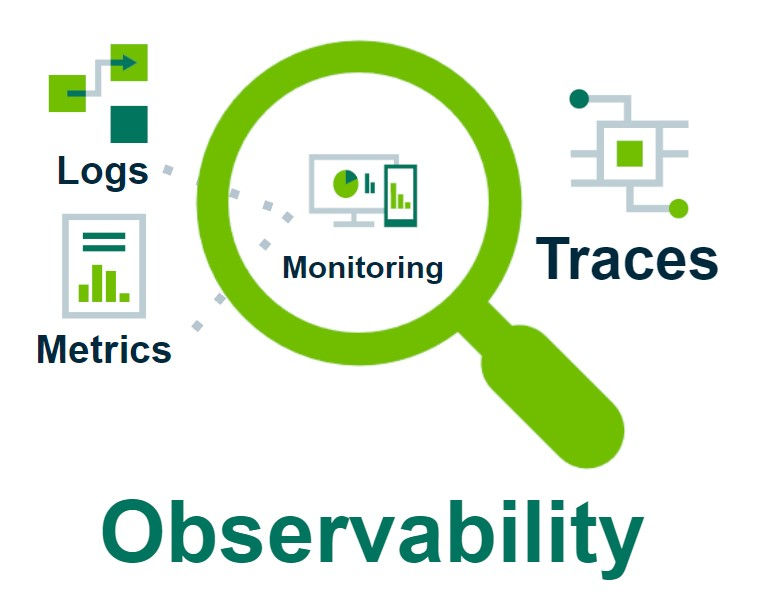
Data observability is the ability to understand the state, quality, and behavior of data across your systems. Just like application observability in DevOps (which focuses on logs, metrics, and traces), data observability provides end-to-end visibility into data pipelines by continuously tracking and analyzing metadata, schema changes, data quality, and lineage.
It answers critical questions like:
Is the data fresh?
Has the schema changed unexpectedly?
Are any tables missing or incomplete?
Is data duplication or drift occurring?
What is Data Monitoring?
Data monitoring is a subset of observability, focused more on real-time tracking and alerting. It enables teams to set thresholds or rules to detect anomalies or failures in data workflows, such as:
Missing values
Unexpected row count drops
Schema mismatches
Delayed data ingestion.
Why Do They Matter?
Without proper observability:
Broken pipelines go unnoticed, leading to poor business decisions.
Data trust erodes, especially in analytics, ML, and regulatory contexts.
Engineering teams spend hours debugging, instead of building.
Core Pillars of Data Observability:
FreshnessEnsures data is delivered on time and updated at expected intervals.
VolumeTracks row counts and data completeness, catching missing or duplicate records.
SchemaDetects unexpected changes in data structure that can break downstream systems.
LineageMaps the data’s origin and transformation path, enabling impact analysis and traceability.
QualityMeasures data accuracy, validity, and consistency based on custom rules or heuristics.
Benefits of Data Observability and Monitoring
✅ Faster Incident Detection and Resolution
✅ Higher Data Quality and Trust
✅ Reduced Operational Downtime
✅ Improved Collaboration Between Data and DevOps Teams
✅ Enhanced Compliance and Auditability
Common Use Cases
Finance: Alerting on abnormal transaction volumes or data lags.
Healthcare: Monitoring patient data pipelines for completeness and accuracy.
E-commerce: Detecting sudden drops in inventory or order data feeds.
Machine Learning: Validating training data inputs for drift and quality.
Leading Tools in Data Observability
Tool | Focus Area | Features |
Monte Carlo | End-to-end observability | Automated root cause analysis, alerting, lineage |
Databand (by IBM) | Pipeline monitoring | ML-aware monitoring, Airflow integration |
Bigeye | Data quality monitoring | Custom metrics, scheduling, anomaly detection |
OpenLineage | Open standard for lineage | Community-driven metadata collection |
Soda | Data quality and observability | CLI and UI, test-based monitoring |
Metaplane | Lightweight observability | AI-powered monitoring and incident detection |
Implementation Best Practices
Start Small: Begin with key pipelines and gradually expand coverage.
Automate Alerts: Set intelligent thresholds to avoid alert fatigue.
Integrate with DevOps: Treat data issues like production bugs.
Promote Ownership: Assign clear responsibilities for pipeline health.
Use Lineage for RCA: Always investigate upstream/downstream impact.
Conclusion
In modern data environments, trust is everything—and trust starts with visibility. Data observability and monitoring are no longer optional for data-driven organizations. They are critical capabilities that ensure your pipelines are delivering timely, accurate, and reliable data to all stakeholders. Investing in these tools and practices will not only prevent data fires—it will power confident decision-making and innovation.


Comments